
Summary
- iRobot has had somewhat surprisingly great results thus far in 2020.
- The Tariff cloud still hangs over the company, especially with uncertainty surrounding change of administration.
- Management is rightfully diversifying their manufacturing regardless of the future state of Chinese trade relations, although COVID-19 has delayed it.
- Can iRobot maintain their margins even after reducing their Tariff exposure? How much growth runway do their products have?
- How should long-term investors value the company?
Introduction and Investment Thesis
It seems iRobot (IRBT) has somewhat surprisingly had a very good year so far in 2020. Prior to this year, it was thought that 2020 would be a transitional year with profits limited as iRobot scaled up their manufacturing in Malaysia. Their plans got interrupted due to the COVID-19 pandemic. Despite the pandemic greatly slowing down the global economy, iRobot's sales growth has been strong. Perhaps this is a sign that iRobot has found solid footing in the higher end robot vacuum sales category. I will go in depth some about the future of iRobot, their outlook this coming year and try to value the company and identify potential risks going forward for investors.
Company Background
 (Source: iRobot.com)
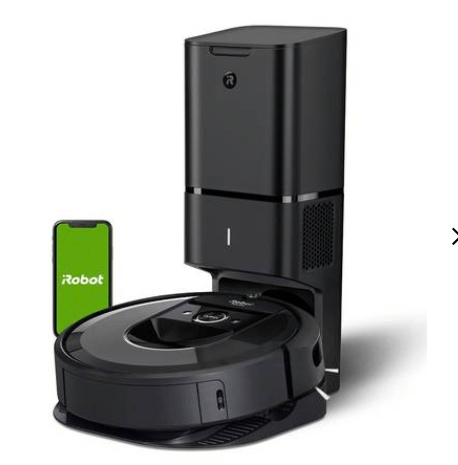
I want to start the article out with a quick background on the company. iRobot designs and sells household robotic vacuum cleaners branded as Roomba. They also sell a mopping robot branded as Braava as well as coding robots for children. They partner with 3rd party manufacturers to build the robots, and currently almost all of the production of the robot vacuums is done in China. Their products range in price and features. Here is a chart of iRobot's current vacuum products:
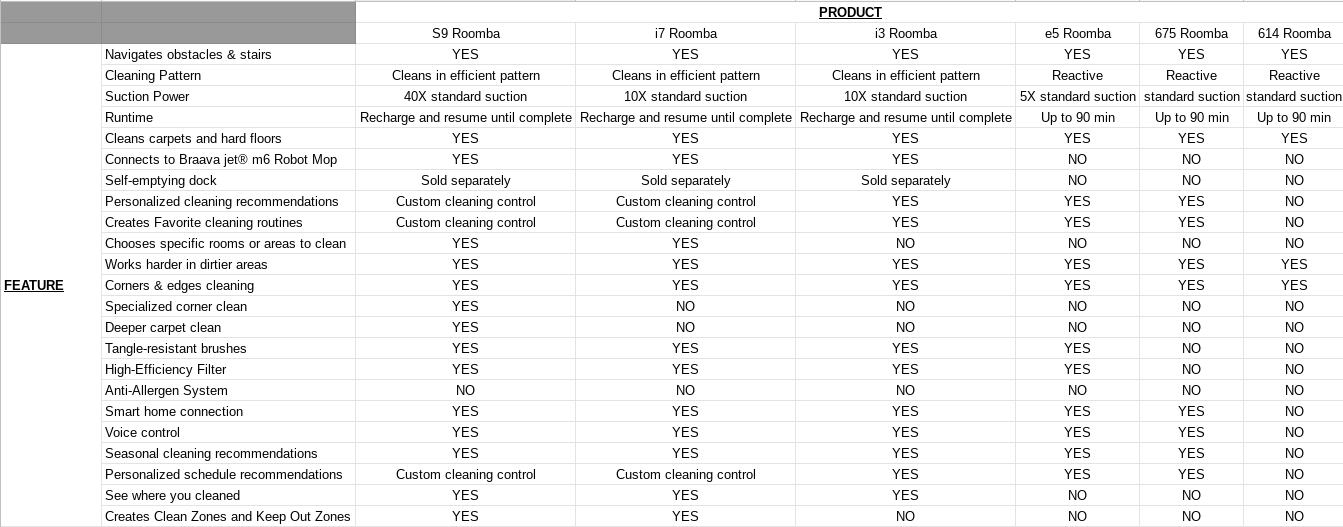 (Source: iRobot's website and author spreadsheet)
Here is a chart of their Braava robotic mopping products:
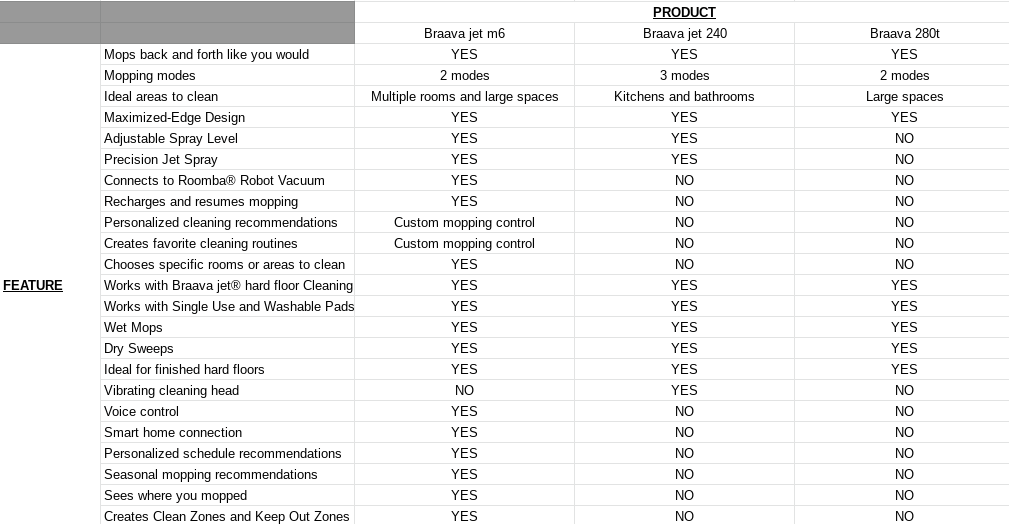 (Source: iRobot's website and author spreadsheet)
iRobot also sells coding robots that help children learn programming. These products would seem to have possible strong demand from schools and/or parents. However, iRobot's management doesn't consider the coding robots to have any material impact to revenue as stated by their CEO Colin Angle in their Q3 2020 earnings call:

